Assess The Whole Loading Position
The starting point is the traffic using the bay. Record vehicle types, trailer bed heights, load handling equipment and the goods being moved. A bay used for mixed delivery vehicles can need a different arrangement from one serving a consistent trailer fleet.
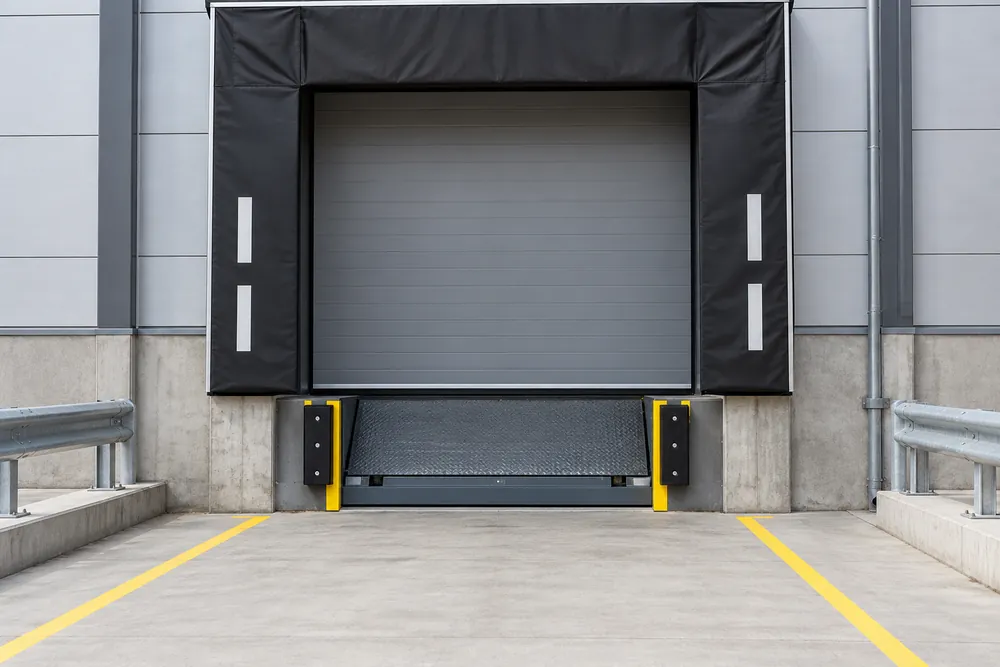
The dock door closes the building opening, while the leveller bridges the height difference to the vehicle. Shelters, bumpers and other equipment serve different functions. Each component needs to be compatible with the physical layout and operating procedure.
Include the yard approach, reversing movements and pedestrian routes in the discussion. A replacement door will not resolve a difficult vehicle approach or an unprotected dock edge. Explain known operating concerns so the assessment can separate equipment issues from traffic-management changes.
Choosing Doors And Dock Equipment
A sectional door is often considered where an insulated external closure is required. The track layout must fit the bay and avoid conflicts with internal services. Vision panels, seals and controls should be selected for the actual working conditions.
A dock leveller needs to suit the difference between the dock and vehicle beds, the loading equipment and the loads passing over it. For a Milton Keynes loading bay, check the leveller rating against the handling equipment and loads crossing it. Do not select a unit solely because it fits the existing pit.
The condition of the pit, supporting structure and approach surfaces also matters. Water ingress, damaged edges or poor interfaces can affect the proposed work. Any structural repairs need to be defined alongside the equipment scope rather than discovered after delivery.
Faults That Need The Bay Stopped
Keep a bay out of use if the leveller has uncontrolled movement, damaged supports or a hydraulic leak affecting operation. A deck that does not return correctly or a lip that does not engage as intended also needs competent assessment. Staff should not improvise packing or bridging plates to continue loading.
A dock door with a damaged panel, cable or protective device can create a separate hazard above the loading route. Stop the affected movement and follow your isolation procedure. The fault report should identify both the door and the leveller so their condition is not confused.
Never work beneath an unsupported leveller deck. Inspection and maintenance require the correct maintenance support and safe isolation for that equipment. Authorised users should understand the normal operating sequence and the action required if the bay equipment fails.
Survey And Project Sequence
Begin with photographs taken safely from the dock and yard, equipment labels and existing drawings. Share the vehicle range and the operational issue you need to solve. An on-site survey then confirms dimensions, interfaces, power and structural condition.
The proposal should explain which items are being supplied, retained, repaired or removed. Agree how the affected bay will be isolated and how other deliveries will be managed during the work. Electrical and structural enabling works need clear responsibility.
After installation or repair, the operating and safety functions need appropriate checks. Handover should cover controls, restrictions, relevant documents and maintenance requirements. Keep the door and leveller records linked to the same bay reference for future servicing.
Safety Guidance And Budget
BS EN 1398:2009 addresses dock leveller safety requirements. HSE’s loading guidance also stresses separating loading activity from unrelated traffic and pedestrians. These are starting points for the equipment and workplace assessment, rather than a substitute for a safe local loading procedure.
Cost depends on door dimensions, leveller specification, existing pit condition, controls and access for removal and installation. A project involving civil work differs from replacing compatible equipment in a sound opening. Ask for the boundaries between equipment supply, enabling works and making good to be written down.
For an existing site, tell us whether the bay is your only loading position and what alternative access is available. Those details help define the work sequence without promising an unrealistic outage period. Our sectional door and maintenance pages explain related choices for keeping the equipment usable over time.
Further Guidance: HSE: loading and unloading · BSI: BS EN 1398
Loading Bay Doors & Dock Levellers FAQs
Is A Dock Leveller Part Of The Door?
A dock leveller is separate from the loading bay door, even when their controls interact. It bridges the difference between dock and vehicle bed levels, while the door closes the building opening. Both need suitable specification, safe operating procedures and maintenance. A fault report should identify which equipment is affected.
Can You Replace Equipment In An Existing Dock Pit?
Replacing dock equipment in an existing pit depends on the pit dimensions, structural condition and compatibility with the proposed leveller. The survey must check more than the visible deck size. Any work to concrete edges, drainage, supports or power supply should be identified before the replacement scope and installation arrangements are agreed.