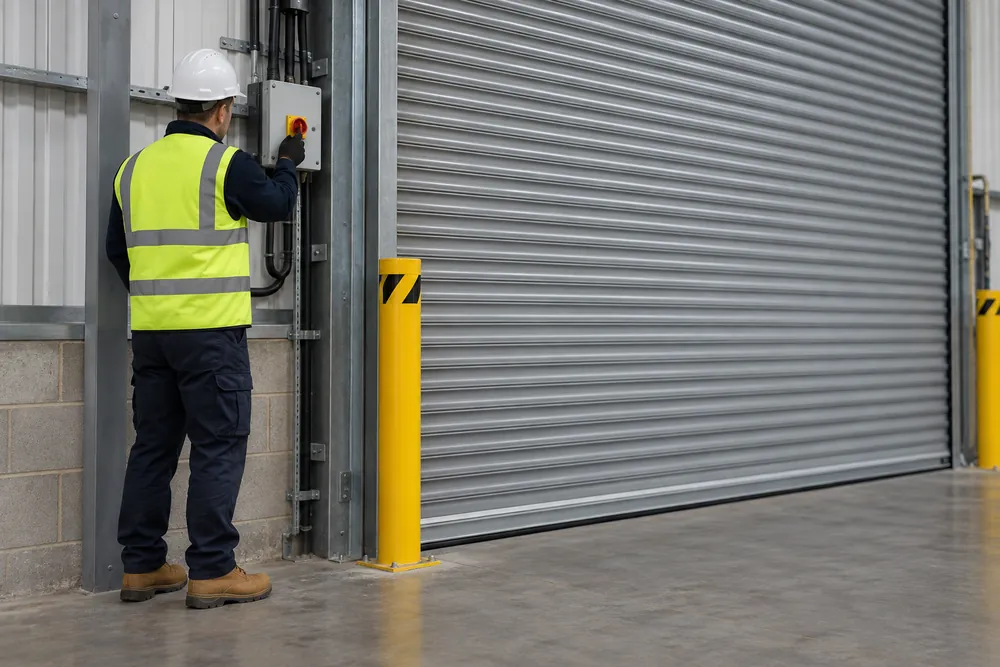
Build A Useful Door Register
Start with a list of each shutter and industrial door, its location and the equipment identification. Record the manufacturer, control method, approximate usage and any known defects. A clear asset reference helps an engineer and a facilities team discuss the same opening without confusion.
Include previous reports and operating instructions where available. Missing records should be identified rather than replaced with assumptions about earlier work. If a tenant and landlord share responsibilities, agree who authorises repairs and who keeps the equipment file.
A maintenance visit is more useful when the engineer knows what has changed since the last inspection. Note impact incidents, intermittent stops, noise and controls that staff have stopped using. These observations can reveal a fault that is not present during a brief operational check.
What A Service Can Include
The service scope should reflect the door type and manufacturer’s instructions. Relevant items can include curtain or panel condition, guides or tracks, fixings, bearings, drive components, cables and seals. Access to concealed components needs to be assessed safely rather than improvised on arrival.
On powered industrial doors, the service checks the operating controls and safeguards fitted to that assembly. Safety edges, detection equipment, stop functions and limit settings need the appropriate checks. The results should distinguish observed condition, adjustments made and defects requiring separate remedial work.
Cleaning and lubrication must follow the equipment instructions. Applying a general lubricant to every surface can attract contamination or damage unsuitable materials. Staff should only perform the routine tasks they have been trained and authorised to carry out.
Set Intervals From Risk And Use
A loading door used throughout a shift experiences a different duty from a store shutter opened occasionally. Environment also matters, including dust, moisture, exposure and repeated vehicle movements. The interval should reflect these conditions, the instructions and the outcome of previous inspections.
Do not assume that a single calendar interval suits all equipment. A change in shift pattern or use can justify reviewing the maintenance plan. After impact, a significant fault or a long period out of use, an additional assessment may be needed before normal operation resumes.
Routine user checks complement servicing. Staff can report damaged curtains, loose visible components, unusual sounds and changes in movement without entering danger zones. A written reporting route helps defects reach the person who can take the door out of use and arrange competent attention.
Manage Defects And Records
A service report should identify the asset, work carried out, findings and any limitations of the inspection. It should also explain whether the door can remain in use and what restrictions apply. A signature alone does not describe the condition or resolve an unsafe finding.
Prioritise safety defects separately from convenience improvements. If a protective function is ineffective, continued use needs a competent assessment and suitable action. Do not allow a routine maintenance label to suggest that every defect has been corrected.
For several doors, a consolidated defect list helps plan approvals and follow-up visits. Keep evidence of completed remedial work beside the original recommendation. This gives the next engineer a usable history and helps the facilities team avoid repeatedly raising the same unresolved item.
Responsibilities And Commercial Scope
The Provision and Use of Work Equipment Regulations 1998, commonly called PUWER, set duties for work equipment. HSE guidance covers keeping equipment in an efficient state and using suitable inspection arrangements. The maintenance plan should be tied to the equipment and risk rather than a generic promise of compliance.
The cost depends on the door register, equipment types, access requirements and agreed inspection scope. Parts and corrective repairs may be quoted separately from servicing. Confirm whether attendance windows, permits and any specialist testing are included before comparing maintenance proposals.
Send the number and types of openings, the site postcode and any existing reports with your enquiry. If one door has already failed, identify it separately so its repair is not lost in the servicing request. Our repair page explains what information helps with an active fault.
Further Guidance: HSE: equipment maintenance · HSE: PUWER duties
Industrial Door Maintenance FAQs
When Is Servicing Due For An Industrial Door In Milton Keynes?
Industrial door servicing intervals should follow the manufacturer’s instructions and a risk assessment of use, condition and environment. Frequent cycling, contamination or repeated impact can justify closer attention. A lightly used workshop door and a busy distribution entrance may need different maintenance schedules. Review the plan when the equipment, traffic pattern or inspection findings change.
Does A Service Include All Repairs?
An industrial door service does not automatically include every replacement part or corrective repair. The agreed scope should state what inspection, adjustment and testing are included, and how additional work is approved. Ask for the report to separate completed work from outstanding defects so the next action is clear.